AI Security
The Analyst Is Still the Integration Layer Between EDR, SIEM, and IAM
Each tool does its own job well. The endpoint agent flags the process, the SIEM holds the log, the identity system knows who logged in. Nobody joins them into one incident except the analyst, by hand, at 2 a.m. That manual join is the gap, and it is where response time goes to die.
September 15, 2026 · 6 min read
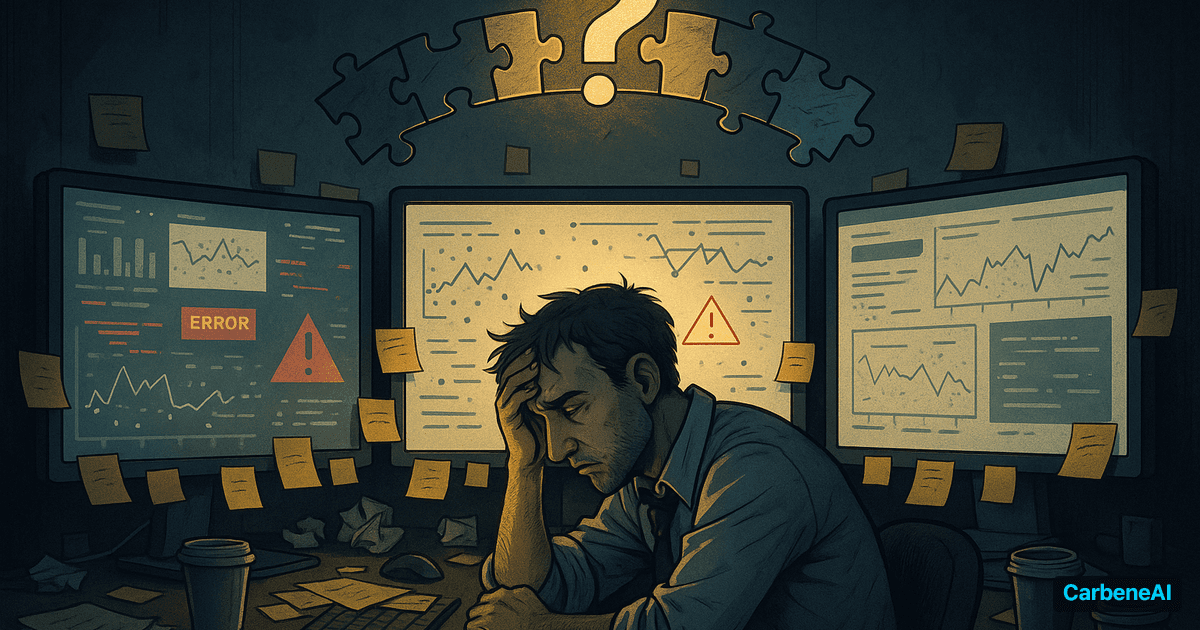
Ask a security team what tools they run and you will hear a good list. An endpoint detection agent on the laptops. A SIEM collecting logs. An identity system that knows who authenticated and from where. Each one does its own job, and does it well. Then ask a different question: when an alert fires, who connects the endpoint event, the matching log line, and the identity record into a single story of what happened? The answer, on almost every team I have seen, is a person. By hand. Usually the most tired person on the shift.
That manual join is the gap. Not a missing tool. The tools are fine. What is missing is the glue between them, and right now the glue is a human being pivoting between three consoles, copying a hostname out of one and pasting it into another, holding the timeline in their head. The individual tools can each answer their own question. The analyst is the only thing that answers the question that matters, which is: what actually happened here, and does it matter?
Three tools, three-quarters of an incident
Walk through a routine alert and watch where the seams are.
The endpoint agent flags a suspicious process on a workstation. Good. That is one fact: a binary did something unusual on this host, at this time. It does not know who was logged into that host, and it does not know what that binary reached out to on the network. It only knows what it saw on the endpoint.
The SIEM has the network and log side. It can show the outbound connection that process made, the DNS lookup, the firewall allow. But the SIEM's view of the endpoint is thin, and its view of identity is often just a username string with no context about whether that account is a domain admin or a temp who started Monday.
The identity system knows the account. It knows this user authenticated from an unusual location, that their privileges were escalated last week, that they are in the group that can reach the finance share. But it has no idea a suspicious process just ran under that account on that host, because nothing told it.
Three tools, each holding one corner of the same incident. The incident only exists as a whole once someone assembles it. Until then you have three alerts that each look survivable on their own and together describe a compromise.
The correlation gap is a response-time problem
This is not an aesthetic complaint about swivel-chair work. The manual join is where response time goes. Every minute the analyst spends reconstructing the timeline by hand is a minute the thing on the endpoint keeps running. And the reconstruction is not just slow, it is lossy. A tired analyst at 2 a.m. pivoting between three tools will miss the connection that the identity record and the endpoint event only make sense together. Not because they are bad at the job, but because no single screen ever showed them both facts at once.
The failure mode is quiet. Nothing crashes. Three tools all report green on their own dashboards. The incident slips through the space between them, and the after-action review says the alerts were all there, we just did not connect them in time. Of course you did not. Connecting them was a manual task assigned to a human under load, and manual tasks under load are where things get dropped.
What joining actually requires
The fix is not a fourth tool that claims to replace the other three. It is a join: a single incident view that pulls one endpoint event, one SIEM log line, and one identity record about the same host and account into one card, and then does the one thing the three consoles never do, which is state plainly what is still unknown.
A useful incident card answers four questions on one screen:
- What ran, where. The endpoint fact: process, host, time.
- What it touched. The SIEM fact: the connection, the destination, the log trail.
- Who owns the account. The identity fact: the user, their privilege level, whether this authentication was normal for them.
- What we still do not know. The gap list. Not everything correlates cleanly. The honest card names the missing piece instead of implying a complete picture.
That last line is the one most correlation tools skip, and it is the most valuable. An analyst who can see in one place that the endpoint and network facts line up but the identity record has a hole knows exactly where to look next. That is the difference between a tool that speeds up the join and a tool that pretends the join is already done.
This is the same correlation problem practitioners have worked around for years by building their own pivots and saved searches. It is worth writing the detection-and-response frame down as an artifact rather than leaving it in each analyst's muscle memory. The Endpoint Mesh work approaches detection and response as a mesh of signals that have to be joined, rather than a stack of tools that each alert in isolation, which is the shape of this exact problem.
Why a buyer cares
If you sell software into a security-conscious buyer, the correlation gap is now their question, not just yours. A procurement team evaluating your product will ask how it fits their existing detection stack, and "we emit logs to your SIEM" is the answer that gets you a follow-up, not a signature. The buyer has felt the manual join. They know their analysts are the integration layer, and they are looking for anything that reduces that load rather than adding a fourth console to pivot through.
The move for a vendor is to show, concretely, how your events join the buyer's endpoint, log, and identity picture into one story, and to be honest about what your product does not correlate. The vendor who names the gap looks like the one who has actually sat in the analyst's chair. The vendor who claims full correlation and complete coverage looks like the one who has not. Buyers under a real security review can tell the difference, because they are living the gap every night shift.